Norman “Hurricane” Smith: A Beatles Musical Legend
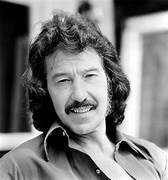
Norman “Hurricane” Smith: A Beatles Musical Legend By Ruben G. Vasquez Beatles Historian The4Beatles.com The Beatles Norman “Hurricane” Smith, born on February 22, 1923, in Middlesex, England, led a remarkable life as a glider pilot, sound engineer, producer, singer, and author. Despite facing obstacles along the way, Smith left an indelible mark on the music industry, particularly through his close association with the Beatles. We will explore the significant moments and contributions of Norman “Hurricane” Smith, a man whose talent and personality resonated with those around him. As an Amazon Affiliate, a commission may be earned from qualifying purchases. Previous Next Sound Engineer For The Beatles Smith’s career in the music industry began in 1959 when he joined the EMI studio in London as an apprentice sound engineer. Prior to that, he had embarked on a career as a jazz trumpeter, but his pursuit did not yield the success he had hoped for. Nonetheless, fate had a different plan for him at EMI. It was at EMI that Smith discovered his true calling, the art of capturing and shaping sound. During the early 1960s, the Beatles burst onto the music scene with their unique sound and infectious energy. As fate would have it, Smith found himself in the midst of this musical revolution. He became the primary sound engineer for the Beatles, working on nearly the first 100 songs the band recorded. His technical expertise and creative intuition played a crucial role in translating the Beatles’ innovative vision into sonic reality. Previous Next Norman Smith’s Recording Techniques Smith’s collaboration with the Beatles proved to be a fruitful one. His ability to harness the band’s energy and refine their sound helped define their early recordings. Working closely with the Fab Four, Smith experimented with various recording techniques and studio equipment, pushing the boundaries of what was possible at the time. It was this willingness to innovate and his deep understanding of the band’s artistic vision that set him apart as a recording engineer. One of the pivotal moments in Smith’s career came with the release of the groundbreaking album “Rubber Soul” in 1965. It marked a significant turning point for both the Beatles and Smith himself. Recognizing his exceptional talent, EMI promoted Smith from his role as an engineer to that of a producer. This promotion allowed him to take a more hands-on approach, taking charge of the creative process and working closely with the band in the studio. Previous Next Beatles’ Sonic Identity Smith’s meticulous attention to detail and his ability to capture the essence of the band’s performances elevated their music to new heights. From experimenting with innovative recording techniques to incorporating unconventional sounds into their songs, Smith’s influence became an integral part of the Beatles’ sonic identity. It was during this time that John Lennon bestowed upon Smith the nickname “Normal,” a lighthearted reference to his composed and easygoing nature. The name stuck, and Smith became known by its among his peers, including the Beatles. Previous Next Pink Floyd Smith’s work with the Beatles was undoubtedly influential; however, he also pursued his own musical endeavors. He became the record producer for Pink Floyd’s first, second and fourth studio albums. In 1972, he achieved transatlantic success with his song “Oh Babe, What Would You Say?” The track soared to the top of the U.S. Cash Box charts and reached number three on the Billboard Pop charts, leaving an enduring impression on the music scene. Smith’s achievement did not go unnoticed by his friend and former colleague, John Lennon, who sent him a telegram to congratulate him on his chart-topping success. John Lennon Called Me “Normal” In addition to his accomplishments as a musician and producer, Norman Smith authored a memoir entitled “John Lennon Called Me Normal.” Released as a limited edition on March 16, 2007, the book offered a unique insight into the Beatles’ time at Abbey Road Studios, accompanied by previously unpublished photographs and historical revelations. Through his memoir, Smith provided an intimate glimpse into his experiences and the transformative era of the Beatles’ rise to fame. On March 2008, Norman Hurricane Smith passed away at the age of 85 in East Sussex, England. Despite his departure, his legacy lives on, leaving an enduring impact on the music industry and the hearts of those who had the privilege of working alongside him. Smith’s unparalleled contributions, not only as a sound engineer and producer for the Beatles but also as a talented musician and author, cemented his place in music history. Author’s Summation In addition to his accomplishments as a musician and producer, Norman Smith authored a memoir entitled “John Lennon Called Me Normal.” Released as a limited edition on March 16, 2007, the book offered a unique insight into the Beatles’ time at Abbey Road Studios, accompanied by previously unpublished photographs and historical revelations. Through his memoir, Smith provided an intimate glimpse into his experiences and the transformative era of the Beatles’ rise to fame. On March 2008, Norman Hurricane Smith passed away at the age of 85 in East Sussex, England. Despite his departure, his legacy lives on, leaving an enduring impact on the music industry and the hearts of those who had the privilege of working alongside him. Smith’s unparalleled contributions, not only as a sound engineer and producer for the Beatles but also as a talented musician and author, cemented his place in music history. Summary The 1960s were an era of musical revolution, and at the forefront of this revolution were two iconic bands, the Beatles and Pink Floyd. While these bands may seem worlds apart in terms of their sound and style, there was one man who played a pivotal role in shaping the destiny of both these legendary groups: Norman “Hurricane” Smith. Norman Smith, often affectionately referred to as “Hurricane,” was born in Edmonton, London, in 1923. While he is renowned for his work as a sound engineer and producer for the Beatles and Pink Floyd, his journey in the world … Read more