Beatles Song Analysis: “Cry For A Shadow”
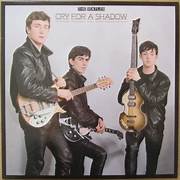
Beatles Song Analysis: “Cry For A Shadow” By Ruben G. Vasquez Beatles Historian The4Beatles.com “Cry For A Shadow” is an instrumental track recorded early in the career by the iconic Beatles. Known for serving the band’s songwriting expertise, this composition showcases their ability to craft music without lyrics. The recording of “Cry For A Shadow” stands as a significant entry in the Beatles’ record, capturing their evolving sound and highlighting their creative brilliance. With its carefully constructed arrangement and flawless execution, this instrumental gem adds depth and variety to the Beatles’ repertoire of timeless songs. Among their many influential songs, “Cry For A Shadow” stands out as an early instrumental piece that sheds light on the Beatles’ evolution. Written by John Lennon and George Harrison, this track offers a glimpse into their formative years and showcases their burgeoning talent as songwriters. We will explore the origins, musical characteristics, and significance of “Cry For A Shadow” in the context of The Beatles’ artistic growth. As an Amazon Affiliate, a commission may be earned from qualifying purchases. Previous Next Early Influence: The Shadows “Cry For A Shadow” was recorded on June 22, 1961, during The Beatles’ early days in Hamburg, Germany. At the time, the band consisted of John Lennon, Paul McCartney, George Harrison, and drummer Pete Best. The song was primarily composed by George Harrison and John Lennon, two budding songwriters searching for their unique musical identity. Their time in Hamburg’s vibrant music scene heavily influenced their style, as they performed for hours each night, honing their craft. “Cry For A Shadow” serves as a reflection of The Beatles’ love for American rock and roll and their growing interest in creating original compositions. Inspired by instrumental guitar bands like The Shadows, Harrison and Lennon aimed to capture a similar energy and intensity. The song’s structure adheres to a classic rock and roll framework, featuring a catchy main riff, a memorable melody, and dynamic shifts between lead and rhythm guitar. Previous Next Catchy Riff The track opens with an infectious guitar riff played by Lennon, which sets the tone for the piece. Harrison’s lead guitar work adds a melodic layer, showcasing his early expertise as a guitarist. The interplay between the two guitarists is both intricate and complementary, with each musician bringing their own unique style to the table. The rhythm section, consisting of McCartney on bass and Best on drums, provides a solid foundation, driving the song forward with energy and precision. While “Cry For A Shadow” may not have achieved the same level of commercial success as some of The Beatles’ later hits, it holds immense historical importance. This instrumental track provides a glimpse into the band’s formative years and reveals their musical aspirations beyond mere imitation. It showcases their early experimentation with composition and their growing desire to carve out their own musical path. Previous Next Paying Homage The Shadows’ influence on The Beatles cannot be overstated. By incorporating elements of The Shadows’ instrumental sound, The Beatles paid homage to their musical heroes while also infusing their own unique flair. This early exploration of instrumental music would later be reflected in their more famous compositions, such as “Flying.” The Beatles, hailing from Liverpool, were heavily influenced by the thriving music scene in their hometown. In the late 1950s, Liverpool experienced a surge in skiffle and rock ‘n’ roll music, thanks in part to The Shadows’ success. The Shadows’ instrumental hits, such as “Apache” and “FBI,” captivated audiences and showcased their innovative guitar-driven sound. The Shadows’ unique style, characterized by Hank Marvin’s distinctive guitar tone and intricate melodies, caught the attention of the young Beatles. It was during this time that John Lennon, Paul McCartney, George Harrison, and original drummer Pete Best were inspired to form their own band and embark on their musical journey. Previous Next Guitar Techniques The Shadows’ influence on The Beatles extended beyond mere inspiration. The guitar techniques and melodic innovations introduced by Hank Marvin had a lasting impact on the Fab Four’s music. Marvin’s skillful use of tremolo and vibrato effects, as well as his use of the Fender Stratocaster guitar, became hallmarks of The Shadows’ sound. The Beatles incorporated these techniques into their own compositions, infusing their music with a fresh and distinctive edge. Songs such as “And I Love Her” and “All My Loving” demonstrate the clear influence of Marvin’s melodic sensibilities and the Shadows’ guitar-driven style. As The Shadows transitioned from a purely instrumental band to one that incorporated vocals, their evolution influenced The Beatles’ approach to songwriting. The Shadows’ shift towards vocal-led songs, such as “Wonderful Land,” showcased the potential for instrumental groups to embrace a broader musical landscape. The Beatles, particularly Lennon and McCartney, were inspired by this shift and began to explore new songwriting techniques. The Shadows’ melodic and harmonic choices resonated with The Beatles, influencing their composition process and contributing to their evolution as songwriters. This influence is evident in The Beatles’ later works, where they seamlessly merged innovative instrumentals with compelling vocal melodies, such as in “A Day in the Life” and “Strawberry Fields Forever.” Stage Presence The Shadows’ impact on The Beatles extended beyond the studio. The Shadows’ dynamic and engaging live performances provided a blueprint for The Beatles’ own stage presence. The Shadows’ ability to captivate audiences with their energetic performances and coordinated dance moves influenced The Beatles’ own live shows. The Fab Four drew inspiration from The Shadows’ stagecraft, incorporating synchronized movements and charismatic interactions into their performances. This attention to showmanship helped The Beatles develop a strong connection with their fans and contributed to their enduring popularity. “Cry For A Shadow” stands as a testament to The Beatles’ musical evolution during their formative years. This early instrumental track captures the band’s drive to experiment and develop their own sound, while still paying homage to their influences. The song highlights the interplay between Lennon and Harrison’s guitar work, providing a glimpse into the chemistry that would define their future compositions. While “Cry For … Read more