September 2023 – Page 2 – The Beatles

Beatles Song Analysis: “Martha My Dear”

Beatles Song Analysis: “Martha My Dear” By Ruben G. Vasquez Beatles Historian The4Beatles.com “Martha My Dear” Paul McCartney began the recording of “Martha My Dear” on October 4th, 1968. This delightful composition found its place as an album track on the notorious “White Album” in the United Kingdom on November 22nd, 1968, followed closely by its release in the United States just three days later. As an Amazon Affiliate, a commission may be earned from qualifying purchases. Previous Next The Inspiration Behind Paul’s Ol’ Sheep Dog At its core, “Martha My Dear” is a heartfelt tribute to McCartney’s beloved Old English Sheepdog named Martha. Notably, this song stands apart from the band’s repertoire, as McCartney took on the responsibility of playing all the instruments, a relatively uncommon practice for him during the introspective period when tensions loomed large during The White Album sessions. Although it is worth mentioning that George Harrison discreetly contributed a small section of the electric guitar in the final recording, his efforts went uncredited. McCartney tackled the piano, drums, and vocals on the initial day of recording. Despite producer George Martin’s reservations about McCartney’s ability to perform the piano solo, McCartney insisted on taking it on himself, pushing his own artistic boundaries. Later that same day, Martin added his signature brass and string arrangements through overdubbing. The subsequent day saw McCartney re-recording his vocals, incorporating handclaps, and layering bass and guitar parts, ultimately completing the song. Previous Next Paul McCartney: Beatles Songwriting Hidden within The Beatles’ vast discography, “Martha My Dear” shines as a hidden gem. Primarily written by Paul McCartney, it is credited to the Lennon-McCartney partnership, testifying to the collaborative nature of their songwriting. The song transcends its initial inspiration, showcasing the multifaceted nature of McCartney’s musical vision combined with the band’s collective genius. This composition, a testament to McCartney’s exceptional melodic expertise, features infectious hooks and a sophisticated musical arrangement, providing a quintessential example of The Beatles’ songwriting approach during the late 1960s. Previous Next Introspective Paul McCartney Verses One of the song’s most defining characteristics lies in its intricate melody. McCartney’s unparalleled talent for creating memorable and captivating tunes shines brightly in “Martha My Dear.” The melody gracefully weaves through the verses and choruses, revealing the composition’s harmonically complex nature. The addition of brass instruments, such as the trumpet and trombone, contributes depth and grandeur to the musical tapestry, beautifully complementing McCartney’s soaring vocal performance. While “Martha My Dear” serves as a testament to McCartney’s ability to craft emotionally resonant and introspective verses, its lyrics don’t explicitly reference his pet. Instead, they possess a metaphorical quality that alludes to personal relationships and the challenges they entail. Lines like “Hold your hand out, you silly girl, look what you’ve done” showcase McCartney’s skill in evoking sentiment while leaving room for individual interpretation, a hallmark of The Beatles’ lyrical brilliance. Previous Next The Spirit Of A Music Hall: “Martha My Dear” In essence, “Martha My Dear” stands as a remarkable display of The Beatles’ trailblazing approach to music. Drawing inspiration from various genres, including music hall and classical elements, the song defied the conventions of traditional rock music prevalent at the time. McCartney’s intricate piano arrangement, executed with finesse, adds a layer of sophistication and elegance reminiscent of a bygone era. This fusion of genres and instruments exemplifies The Beatles’ unwavering commitment to pushing the boundaries of popular music. Author’s Summation The legacy of The Beatles, one of the most influential bands in music history, is a tapestry woven with diverse sounds, innovative songwriting, and timeless hits. Among their vast array of songs, “Martha My Dear” stands as a unique gem that offers a glimpse into the band’s creative complexity and the musical genius of its members, particularly Paul McCartney. “Martha My Dear,” a Beatles song often found on the album simply titled “The Beatles,” has intrigued fans and critics alike for its distinct musicality and intriguing lyrics. Written by McCartney, this song holds a special place in his heart, as it is believed to be inspired by his sheepdog at the time, “Martha”. McCartney’s emotional connection to the song is evident in its lyrics and composition. The Making of “Martha My Dear” The production of “Martha My Dear” was overseen by the band’s renowned producer, George Martin, who played a crucial role in shaping The Beatles’ sound. The song features an intricate piano part played by McCartney himself, demonstrating his ability as a multi-talented musician. In fact, McCartney’s journey with the piano was a self-taught one, influenced by his desire to explore new musical territories. The song’s structure is unlike many of The Beatles’ hits, with its unusual progression and arrangement. “Martha My Dear” captivates the listener with its rich chord changes and melodies that take unexpected turns. This complexity is a hallmark of McCartney’s songwriting, showcasing his ability to create melodies that resonate deeply. The lyrics of “Martha My Dear” have sparked discussions about their meaning and inspiration. McCartney’s lyricism, often marked by a slightly abstract way of expression, invites listeners to find their own connection to the song. Noteworthy is the absence of John Lennon in the recording process of “Martha My Dear.” This dynamic reveals the band’s versatility, with each member capable of taking the lead when the song demanded it. We celebrate the legacy of “Martha My Dear,” the song’s allure remains undiminished. Its blend of musical complexity and emotional depth continues to captivate audiences, reminding us of the enduring impact of The Beatles’ music. “Martha My Dear” provides a captivating journey into The Beatles’ artistic brilliance and Paul McCartney’s songwriting genius. With its intricate piano melodies, unconventional structure, and deeply personal lyrics, the song stands as a testament to the band’s ability to push creative boundaries and create timeless music.  It invites us to take a good look around the musical landscape they crafted, appreciating every note and exploring the layers of emotion and meaning embedded within. ARTICLE VIDEOS Paul McCartney Song: “Martha My Dear” LP: “The White Album” … Read more
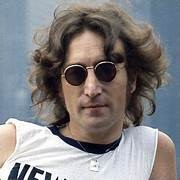

John Lennon: His Thought-Provoking Lyrics

John Lennon: His Thought-Provoking Lyrics By Ruben G. Vasquez Beatles Historian The4Beatles.com John Lennon John Lennon captured the hearts of millions with his distinctive voice, captivating melodies, and insightful lyrics. As a Beatles songwriter, Lennon left an indelible mark on the music industry, composing songs that were not only catchy and memorable but also carried deep and thought-provoking messages. We will explore Lennon’s ability to create melodies that resonate with audiences while embedding profound social commentary and introspective thoughts within his lyrics. As an Amazon Affiliate, a commission may be earned from qualifying purchases. Previous Next Best John Lennon Songs Lennon’s songs were known for their infectious melodies that had an immediate and lasting impact on listeners. Tracks such as “Imagine”, “Instant Karma”, “A Day In The Life” and “All You Need Is Love” exemplify Lennon’s innate ability to craft hooks that stick in the mind, becoming instant classics. These melodies, often simple yet powerful, allowed his messages to reach a broader audience and transcend generational boundaries. Previous Next Behind The Song Lennon’s lyrics were not mere words set to a tune but served as a platform for his social and political activism. Through songs like “Working Class Hero” and “Power to the People,” Lennon fearlessly addressed the inequalities and injustices present in society, advocating for change and empowering those who felt marginalized. By intertwining his personal experiences with broader social issues, Lennon connected with listeners on a profound level, urging them to question the status quo. Previous Next Addressing Inequality and Injustice Lennon’s songs often highlighted the inequalities and injustices present in society, amplifying the voices of the marginalized and oppressed. In “Working Class Hero,” he exposed the realities faced by the working class, shedding light on their struggles and advocating for a fairer society. Lennon’s lyrics in “Woman Is the N*** of the World” boldly confronted sexism and misogyny, highlighting the systemic discrimination faced by women. By tackling these sensitive and contentious issues head-on, Lennon challenged social norms and sparked crucial conversations. Previous Next Anti-War Stance Lennon’s unwavering anti-war stance was evident in his recording of “Give Peace a Chance” and the unique seasonal tune “Happy Xmas (War Is Over).” These powerful anthems expressed his passionate opposition to war and his desire for global harmony. Lennon’s lyrics became rallying cries for peace activists around the world, resonating with a generation disillusioned by the Vietnam War and other conflicts. His music became a symbol of hope and a call to action, urging individuals to work collectively towards a more peaceful world. Lennon and Yoko Ono, staged high-profile protests and events to draw attention to various causes. One of the most notable examples was their “Bed-In for Peace” in 1969, where they spent a week in bed, inviting the media to discuss peace and activism. Lennon’s willingness to use his fame and public persona to promote social change set him apart from many other artists of his time. His activism inspired countless individuals to become more politically engaged and demonstrated that one’s influence can extend beyond the realm of entertainment. Lennon’s Best Lyrics With The Beatles Beyond his social commentary, Lennon also reached into themes of personal reflection and introspection. “Strawberry Fields Forever”, “A Day In The Life” and “In My Life” showcased Lennon’s ability to delve into his own psyche, exploring his thoughts, memories, and emotions. These introspective songs resonated with audiences who related to the universal experiences of longing, nostalgia, and self-discovery. By baring his own vulnerabilities, Lennon invited listeners to confront their own inner worlds, fostering empathy and self-reflection. Author’s Summation When the names “John Lennon” and “The Beatles” are mentioned, the world of music immediately comes alive with memories of timeless melodies and impactful lyrics. At the heart of this cultural phenomenon is John Lennon, a brilliant songwriter whose thought-provoking lyrics and profound messages have left an indelible mark on the fabric of popular music. Lennon, a pivotal member of The Beatles, alongside Paul McCartney, George Harrison, and Ringo Starr, showcased his talent as a songwriter early on. From the band’s early days in Liverpool to their global fame, Lennon’s ability to craft meaningful lyrics was evident. Songs like “In My Life”, “Strawberry Fields Forever” and “If I Fell”, credited to Lennon-McCartney and Lennon’s own, “Old Dirt Road”, “Woman” and “Jealous Guy”, captured the essence of empathy and reassurance, with simple yet powerful lyrics that continue to resonate with listeners across generations. One of John Lennon’s best-known compositions, “Imagine,” released in 1971, remains one of his most enduring creations. The opening piano riff immediately captures attention, setting the stage for the song’s lyrics to deliver a powerful commentary on envisioning a world without borders, war, or division. The song’s message of love and unity, continues to inspire listeners to imagine a better world. Lennon’s musical prowess extended beyond catchy melodies. His intricate guitar work and experimentation with instrumentation added depth to his compositions. In songs like “Across the Universe,” his use of intricate guitar melodies creates an otherworldly atmosphere that transports listeners to a realm of contemplation. The lyrics themselves, a testament to Lennon’s ability to capture complex emotions, invite us to imagine a world of profound interconnectedness. Behind the song “Beautiful Boy,” a tender piece from his solo career, lies a tribute to his son Sean. The song’s lyrics serve as a reminder of Lennon’s personal journey, revealing his role as both an artist and a father. The sincerity and warmth of his words underscore his enduring impact as a songwriter whose music touched the hearts of millions. Lennon’s thought-provoking lyrics often carried political messages and powerful commentaries. His song “Give Peace a Chance” became an anthem for anti-war movements, reflecting his desire to make a positive change in the world through his music. Furthermore, his R&B-infused track “Rock ‘n’ Roll” paid homage to his musical influences, showcasing his versatility and love for the genre. Tragically, Lennon’s life was cut short on December 8, 1980, but his musical legacy lives on. His ability to … Read more

Paul McCartney’s Regrets In The Beatles Era

Paul McCartney’s Regrets In The Beatles Era By Ruben G. Vasquez Beatles Historian The4Beatles.com Paul McCartney During the last few years of the Beatles, Paul McCartney, made statements that he would later express regret. We will explore how McCartney acknowledged and reflected upon his past remarks, illustrating his growth as an individual and artist. By examining his regrets and subsequent actions, we gain insights into McCartney’s character and his commitment to personal development. As an Amazon Affiliate, a commission may be earned from qualifying purchases. Previous Next The Complexity Of The Beatles To understand McCartney’s regrets, we must first acknowledge the complexities of the Beatles’ era. The band’s immense popularity, coupled with their creative differences and personal struggles, created a challenging environment. As a result, tensions ran high within the group, leading to occasional disagreements and strained relationships.   One of the key aspects contributing to the complexity of the Beatles’ era was the creative differences that emerged within the band. As the band members matured and explored their individual musical identities, conflicts arose regarding the direction of their music. While Paul McCartney leaned toward melodic pop sensibilities, John Lennon sought to push boundaries with experimental and introspective compositions. These creative tensions led to spirited debates and compromises during the songwriting process, eventually shaping their iconic sound. Additionally, the Beatles’ constant evolution as artists further added complexity to their era. From their early days as a rock ‘n’ roll band to their groundbreaking experimentation with different genres and recording techniques, the Beatles consistently challenged themselves and their listeners. This continuous artistic growth required them to navigate uncharted territory, constantly redefining their musical boundaries. Previous Next Personal Struggles Between Paul McCartney And John Lennon Behind the scenes, the Beatles grappled with personal struggles that influenced their dynamics as a band. The pressures of relentless touring, relentless media scrutiny, and the weight of their immense fame took a toll on their mental and emotional well-being. Each band member coped with these challenges differently, often leading to moments of tension and strain. For instance, the death of their manager Brian Epstein in 1967 left the band without his guidance, causing a power vacuum and creating uncertainty within their organization. Moreover, the Beatles’ individual interests and personal lives sometimes clashed, exacerbating existing tensions. The strained relationship between Lennon and McCartney, once the driving creative force behind the band, reflected the internal conflicts that grew over time. Previous Next Statements and Regret McCartney made remarks that he later expressed remorse for one such instance in assisting Lennon, with the lyric about being “the walrus” in “Glass Onion,” which he admitted was a playful, but ultimately misleading, statement. McCartney expressed regret for creating confusion among fans, highlighting his desire to be truthful and transparent. Additionally, McCartney regretted his role in the public announcement of the Beatles’ breakup. In retrospect, he realized that he had not fully considered the impact of such news on the band’s dedicated fanbase. McCartney’s regret signaled a deep understanding of the emotional connection between the Beatles and their audience, ultimately demonstrating his growth as a compassionate individual. Previous Next Self-Reflection In A Beatles Song Following these regrets, McCartney engaged in significant self-reflection. He recognized the importance of learning from his mistakes and took actions to rectify the situation. McCartney actively sought opportunities to address misconceptions and clarify his intentions through subsequent interviews and public appearances. By acknowledging his mistakes, he exhibited humility and a willingness to evolve, showcasing his growth as an artist and a person. Artistic Evolution In The Beatles Paul McCartney’s expression of regret marked a turning point in his artistic journey. It inspired him to explore new avenues and redefine his musical identity. Through solo projects and collaborations, McCartney demonstrated growth and versatility, ultimately showcasing his dedication to personal and artistic development with the Beatles. The introspective and reflective nature of his subsequent work provided audiences with a deeper understanding of McCartney’s maturation. Author’s Summation Paul McCartney, renowned musician and one-fourth of the legendary Beatles band, has shared intriguing insights into his thoughts and emotions regarding the past. McCartney’s words give us a glimpse into the complex relationships, creative process, and the legacy of The Beatles. Looking back, he expressed moments of regret, shedding light on the personal and artistic dynamics within the group. In the heyday of The Beatles, their music became an emblem of cultural revolution. Their songs, including classics like “When I’m Sixty-Four,” “Yesterday,” and “Eleanor Rigby,” still resonate today. However, McCartney’s contemplation reveals a depth beyond the melodies. He said, “I slightly regret the way John’s image has formed since his death. I don’t know. I just think that’s the period of John that I knew.” The dynamic between McCartney and his fellow Beatles songwriters, particularly John Lennon, was a core facet of their identity. McCartney reminisced, “The ‘Fab Four’ represented the camaraderie we had. We began writing songs together from the very start.” The affiliation extended beyond the music, creating a bond that went beyond fame. McCartney’s reflection highlights a sense of fondness for John Lennon beyond the public’s perception. He noted, “I had a slight affection for the John I knew.” It’s a reminder that the real Lennon was more complex than his public image portrayed. This sentiment carries through McCartney’s feelings towards Lennon’s post-Beatles work as well. “I think he wrote a lot of good songs when he died so tragically young,” McCartney said. The regret that McCartney voices centers around the way John Lennon’s legacy has been shaped, emphasizing a more acerbic side than the full character he knew. McCartney shared, “I always like to think of John as a really sweet guy, but sometimes he wasn’t.” This recognition of Lennon’s multifaceted personality underscores the layers of their relationship, beyond the spotlight. When discussing the break-up of The Beatles, McCartney’s introspection offers a nuanced perspective. He said, “I don’t regret the way the Beatles ended. I think it was all right. It had run its course.” This acceptance speaks to … Read more