Beatles Song Analysis: “Two Of Us”
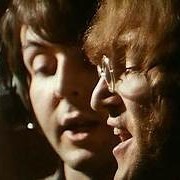
Beatles Song Analysis: “Two Of Us” By Ruben G. Vasquez Beatles Historian The4Beatles.com Two Of Us In 1969, the Beatles embarked on the recording of a heartfelt composition titled “Two of Us,” a song that would become an emblematic piece of their musical repertoire. Written primarily by Paul McCartney, this timeless masterpiece was first introduced to the world on May 8th, 1970, as the opening track of their renowned album, “Let It Be.” Just ten days later, it made its way to the United States. As an Amazon Affiliate, a commission may be earned from qualifying purchases. Previous Next Fictionalized Portrayal Of A Beatles Song Originally, McCartney had titled the song “On Our Way Home,” as this phrase resonated throughout the recording. Interestingly, this very title was later used for the 2000 TV movie “Two of Us,” a fictionalized portrayal of a reunion between McCartney and John Lennon in 1976, adding another layer of significance to the song’s legacy. Previous Next The Transformation Of “Two Of Us” In its early stages, “Two of Us” took on a guitar-driven rock style, which can be witnessed in the Let It Be film and the Get Back documentary. However, McCartney felt dissatisfied with this iteration, describing it as “chunky.” Determined to bring out the essence of the composition, the Beatles decided to rework it, infusing it with the warmth of acoustic guitars. This transformation was a crucial step that eventually led to the finished version of the song. On January 31st, 1969, the Beatles showcased their final rendition of “Two of Us” at Apple Studios. This heartfelt performance was captured both in the Let It Be film and on the album itself, allowing fans to experience the raw emotion behind the song. The significance of this moment was further amplified when the clip was aired on The Ed Sullivan Show on March 1st, 1970, marking the Beatles’ final appearance on the iconic show and adding another layer of cultural resonance to the piece. Previous Next The Production In the Let It Be album, producer Phil Spector made an impactful addition to “Two of Us.” He incorporated a spoken introduction by Lennon, in which he recites the line, “I Dig A Pygmy by Charles Hawtrey and the Deaf-Aids, phase one, in which Doris gets her oats.” This inclusion, though seemingly unrelated to the song’s core themes, serves as an intriguing prelude that sets the stage for the emotional journey that follows. “Two of Us” is a profound composition that epitomizes the enduring friendship between Lennon and McCartney. Crafted with lyrical finesse and musical ingenuity, the song captures the essence of their shared genius. Within the opening verse, the duo paints a vivid portrait of their camaraderie, conveying a sense of purpose and shared experiences that transcend physical destinations and material wealth. As they sing, “Two of us riding nowhere, spending someone’s hard-earned pay,” they invite listeners to join them on their journey. Previous Next The John Lennon and Paul McCartney Synergy The chorus of “Two of Us” showcases the remarkable melodic synergy between Lennon and McCartney. Their harmonies and vocal interplay create a mesmerizing blend, highlighting the unmistakable chemistry that defined their musical collaboration. With the recurring line, “You and I have memories longer than the road that stretches out ahead,” the chorus emphasizes the significance of their shared experiences, both within and beyond the realm of music. As the song progresses, the second verse pays homage to their past, immersing listeners in a poignant reflection of their youth. The lyrics, “You and I have memories longer than the road that stretches out ahead,” evoke a yearning for simpler times and a desire to hold onto the memories they have crafted together. Through this verse, the duo reveals the profound emotional depth that underpinned their friendship, granting fans an intimate glimpse into their extraordinary bond. Insightful Lyrics The bridge of “Two of Us” showcases Lennon and McCartney’s songwriting brilliance. With the lines, “You and me chasing paper, getting nowhere,” they ingeniously juxtapose their artistic pursuits with the mundaneness of everyday life. This blending of insightful lyrics with intricate guitar work and heartfelt vocals exemplifies their unmatched talent and creative prowess. In the final verse, Lennon and McCartney reinforce the everlasting impact of their friendship. As they reiterate the line, “You and I have memories longer than the road that stretches out ahead,” they assert that their music will forever be etched in history. This concluding verse leaves listeners with a profound admiration for the bond they shared and the indelible music they created, solidifying their position as one of the greatest songwriting duos of all time. Author’s Summation The history of music is replete with iconic tunes that have etched their way into the collective memory of generations. Among these treasures is “Two of Us,” a soulful Beatles song that not only showcases the incredible songwriting prowess of John Lennon and Paul McCartney but also paints a vivid picture of their profound friendship. Released as part of their album “Let It Be” in March 1970, “Two of Us” resonates with its poignant lyrics, accompanied by a melodic arrangement that speaks volumes. The lyrics of “Two of Us” resonate with a sense of nostalgia and camaraderie, capturing the essence of the enduring bond between John Lennon and Paul McCartney. The song’s opening lines, “Two of us riding nowhere / Spending someone’s hard-earned pay,” create an image of the duo getting lost in each other’s company, reminiscent of their times together. This picture is further reinforced with mentions of “wearing raincoats / Standing so low,” painting a vivid scene of the two friends on a carefree journey. Paul McCartney’s inspiration for the song can be traced back to the postcard-like moments he shared with John Lennon. McCartney recalls their days of cruising around in a car, embodying the spirit of adventure that encapsulates the line “You and me chasing paper / Getting nowhere.” The reference to Charles Hawtrey and the Deaf Aids adds an element … Read more