July 7, 2023 – The Beatles

Ringo Starr’s Legendary Beatles Royalties
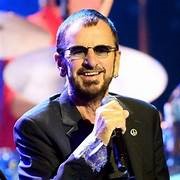
Unveiling Ringo Starr’s Legendary Beatles Royalties By Ruben G. Vasquez Beatles Historian The4Beatles.com Ringo Starr The Beatles revolutionized popular music in the 1960s and continue to captivate audiences to this day. However, a question often arises: Does Ringo Starr, the band’s drummer, receive royalties for Beatles songs? We will explore the complexities of music royalties and explore Ringo Starr’s financial involvement in the Beatles’ musical legacy. As an Amazon Affiliate, a commission may be earned from qualifying purchases. Previous Next The Role Of Royalties To understand whether Ringo Starr receives royalties for Beatles songs, it is essential to comprehend what royalties entail. Royalties are payments made to creators for the use of their intellectual property, such as songs, films, or books. In the context of music, royalties are typically generated through various channels, including radio airplay, streaming services, record sales, and licensing for commercials, films, or cover versions. The Beatles’ albums consistently rank among the best-selling records of all time, ensuring a steady stream of royalties for each member, including Ringo Starr. The enduring popularity of albums like “Sgt. Pepper’s Lonely Hearts Club Band” and “Abbey Road” means that royalties from physical sales and digital streaming platforms continue to flow in. As technology has advanced, so too has the accessibility of The Beatles’ music, leading to a surge in streaming revenue that contributes to Starr’s ongoing financial success. Previous Next Songwriting Credits in the Beatles One crucial aspect to consider is the songwriting credits within the Beatles. The majority of Beatles songs were credited to Lennon-McCartney, signifying the collaborative songwriting efforts of John Lennon and Paul McCartney. Ringo Starr’s contributions to the songwriting process were comparatively limited, although he did occasionally co-write songs with Lennon and McCartney, such as “Octopus’s Garden.” As a result, the division of songwriting royalties primarily revolves around Lennon and McCartney. Previous Next Performance and Mechanical Royalties While Ringo Starr’s involvement in the songwriting process may affect his eligibility for songwriting royalties, he is entitled to receive performance and mechanical royalties. Performance royalties are paid to artists whenever their songs are performed or played in public, such as on the radio or during live performances. Mechanical royalties, on the other hand, are generated through the sale or streaming of recorded music. As the drummer of the Beatles, Ringo Starr receives his share of these royalties based on his contributions as a performer. Previous Next The Beatles’ Business Arrangements The Beatles’ financial affairs were managed through various business entities, most notably Apple Corps Ltd. and Northern Songs. Apple Corps, founded by the band in 1968, serves as the Beatles’ multimedia corporation, overseeing their recorded music, films, and other ventures. Northern Songs, a music publishing company, was initially established to handle the Beatles’ song copyrights. While the ownership and distribution of royalties have undergone complex negotiations and changes over the years, these entities play a crucial role in ensuring that the Beatles’ members, including Ringo Starr, receive their fair share of royalties. Ringo’s Solo Career Apart from his contributions to the Beatles’ discography, Ringo Starr has enjoyed a successful solo career and has released numerous albums and singles. As a solo artist, he would receive royalties for his own compositions and recordings. It is important to note that while his solo work may generate substantial income, the Beatles’ songs continue to be a significant source of royalties for all members, including Ringo Starr. Beyond music sales and royalties, The Beatles’ brand has been successfully licensed for various merchandise, further bolstering Ringo Starr’s earnings. From t-shirts and posters to lunchboxes and even LEGO sets, the band’s cultural impact has translated into a vast array of lucrative licensing opportunities. Ringo Starr, alongside his fellow band members, benefits from these ventures, as the enduring popularity of The Beatles ensures a steady demand for Beatles-themed merchandise. Royalties Paid to Ringo Starr Ringo Starr (birth name: Richard Starkey) has earned royalty income from his work with The Beatles over the years. This includes his share of the royalties from the band’s album sales, streaming revenue, and licensing fees. In addition to his work with The Beatles, he continues to tour and record music, and is considered a legend in the music industry. The exact amount of royalty income that Ringo Starr has earned from The Beatles is not publicly disclosed, but it is estimated to be in the millions of dollars annually. Replacement Drummer Ringo joined the Beatles in 1962 as a replacement for their previous drummer, Pete Best. He played on most of the band’s albums and was known for his steady and innovative drumming style. After the Beatles disbanded in 1970, Ringo embarked on a successful solo career, releasing numerous albums and collaborating with other musicians. He was inducted into the Rock and Roll Hall of Fame as a member of the Beatles in 1988 and as a solo artist in 2015.  From the early days in Liverpool to the heights of Beatlemania and their groundbreaking albums like “Please Please Me” and the “White Album,” Ringo Starr, along with John Lennon, Paul McCartney, and George Harrison, crafted timeless songs that have become an essential part of music history. Despite their individual talents, it was the synergy between the band members that truly made The Beatles extraordinary. Ringo’s Style Ringo Starr’s distinctive drumming style, characterized by its rhythmic precision and solid foundation, provided the backbone for many of The Beatles’ biggest hits. His contributions can be heard in classic songs like “I Want to Hold Your Hand,” “Can’t Buy Me Love,” and “Eight Days a Week.” Ringo’s drumming served as the driving force behind the band’s infectious melodies and energetic performances. As the Beatles rose to international fame, their popularity soared to unprecedented heights. The band’s appearances on The Ed Sullivan Show and their historic Shea Stadium concert showcased their immense appeal. Ringo Starr, alongside his bandmates, captured the hearts of millions and ushered in the era of Beatlemania. After their final January 1969 performance on the rooftop of Apple Records,  … Read more
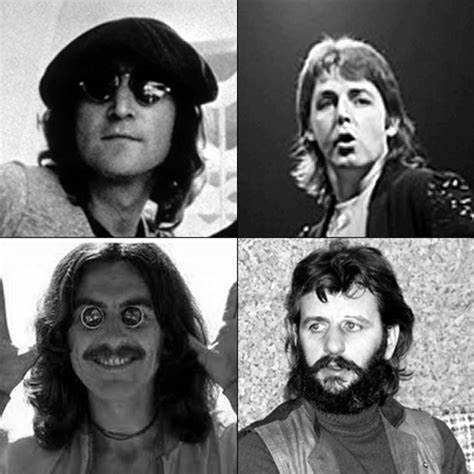
Unraveling the Beatles’ Break-Up: Tensions That Led to Band Members Going Their Separate Ways

Unraveling the Beatles’ Break-Up: Tensions That Led to Band Members Going Their Separate Ways By Ruben G. Vasquez Beatles Historian The4Beatles.com John Lennon, Paul McCartney, George Harrison & Ringo Starr The Beatles Story The story of the Beatles began with the harmonious collaboration between John Lennon, Paul McCartney, George Harrison, and Ringo Starr. Together, they formed a bond that would shape the course of music history. The band’s early success set the stage for their rise to global fame. The Beatles, an unrivaled musical phenomenon of the 20th century, enthralled the world with their melodic harmonies and revolutionary creativity. However, behind the scenes, the band’s journey was fraught with tensions and conflicts that eventually led to their break-up. This article delves into the key moments and the departure of band members that marked the Beatles’ tumultuous path to dissolution. As an Amazon Affiliate, a commission may be earned from qualifying purchases. Previous Next The Birth of Tension From the early days of the band’s formation, subtle undercurrents of tension began to emerge among the Fab Four. As the group rose to stardom, the pressures of fame, creative differences, and individual ambitions strained the camaraderie between John Lennon, Paul McCartney, George Harrison, and Ringo Starr. These internal struggles would shape the course of their destiny. One of the first visible cracks in the Beatles’ unity came during the recording of the landmark album “Rubber Soul.” Here, we witness the emergence of diverse musical styles and artistic visions that subtly hinted at the diverging paths that lay ahead for the band members. Previous Next Escalating Tension As the band’s popularity skyrocketed, so did the strain on their relationships. The pressure-cooker environment of relentless touring, fan frenzy, and media scrutiny further intensified the tensions within the group. The subsequent release of the groundbreaking album “Sgt. Pepper’s Lonely Hearts Club Band” served as a bittersweet reminder of the creative brilliance that still united them, despite the growing chasms between the bandmates. Amidst mounting personal and professional conflicts, the Beatles faced their breaking point. The release of the “White Album” marked a turning point in their history, symbolizing both the pinnacle of their creative prowess and the escalating tension that tore at their bonds. In 1970, the band officially disbanded, leaving fans worldwide shocked and mourning the loss of a musical era. Previous Next Band Members Depart Following the disbandment, each member embarked on their individual paths. John Lennon’s departure from the band was perhaps the most profound, as his artistic ambitions clashed with the confines of the group. Meanwhile, Paul McCartney continued to pursue a successful solo career, George Harrison explored his spiritual side, and Ringo Starr forged a path in both acting and music. The Beatles’ break-up stands as a testament to the fragility of even the most formidable partnerships. The tensions within the band, fueled by creative divergences, personal conflicts, and the weight of unparalleled fame, ultimately proved insurmountable. Despite their separation, the Beatles’ legacy as the pioneers of modern music endure, forever entwined with the story of their tumultuous journey and the indelible mark they left on the world. The Beatles, a legendary band that forever changed the landscape of music, experienced a rollercoaster ride of tensions, departures, and eventual dissolution. The strains between band members, particularly the dynamic duo of Lennon and McCartney, combined with personal and creative differences, would ultimately lead to their iconic break-up.  As the Beatles reached their creative zenith, splintering began to emerge within the band. The collaborative songwriting partnership between John Lennon and Paul McCartney, once the driving force of the group, became increasingly strained. The divergence in their musical directions and artistic visions set the stage for what would follow. Previous Next The Arrival Of Yoko Enter Yoko Ono, John Lennon’s wife, whose presence and involvement in the band’s affairs became a contentious issue. While Yoko was an important muse for Lennon’s solo work, her integration into the Beatles’ recording sessions and public appearances strained the already fragile group dynamics, fueling the growing tensions. In 1969, amidst the band’s disarray, John Lennon and Yoko Ono recorded “The Ballad of John and Yoko,” a candid reflection of their relationship and the chaos surrounding them. The song served as a poignant glimpse into the personal struggles that hastened the band’s demise. “The Ballad of John and Yoko” offered a glimpse into the personal struggles faced by John Lennon and his wife, Yoko Ono. The song highlighted the pressures they experienced as a couple and the impact their relationship had on the band. This marked a turning point as personal lives increasingly intertwined with the Beatles’ collective journey. The White Album Released in 1968, the Beatles’ self-titled album, commonly known as the White Album, was a magnum opus rife with creativity and individuality. It marked a turning point as the members pursued their own artistic visions more fervently. The diverse styles and lack of collaborative effort further emphasized the underlying rifts within the group. Abbey Road and their Swan Song Against the backdrop of mounting discord, the Beatles created their penultimate studio album, “Abbey Road.” Despite the tension, they managed to forge a temporary truce and produce an album that showcased glimpses of their former harmony. However, the cracks were undeniable, and even this masterpiece couldn’t hold back the inevitable disintegration. The Split That Shook The World By 1970, the Beatles officially disbanded, shocking the world and leaving millions of fans in mourning. The dissolution came as a result of irreconcilable differences and the profound desire for individual pursuits. Ringo Starr’s departure from the band earlier during the “White Album” sessions served as another blow, further contributing to the disintegration. The end of the Beatles was a bittersweet chapter in the history of popular music. Their journey, from the heights of collaborative brilliance to the depths of irreparable tension, left an indelible mark on the cultural landscape. The legacy of the band endures, reminding us of the complexities of creative partnerships and the fragile nature of … Read more